Screenshot 2024-08-26 at 1.49.08 PM
WA Health Group Multidisciplinary Approach For

Cancer Support and Exercise In Perth

Our Physiotherapists, Exercise Physiologists, and Occupational Therapists provide tailored care for people living with or recovering from cancer.
Cancer survivor at WA Health Group

Allied Health Support for People Living With or Recovering From Cancer

A cancer diagnosis and its treatment can affect how you move, feel, and manage everyday tasks. At WA Health Group, our Physiotherapists, Exercise Physiologists, and Occupational Therapists provide supportive care designed to help you maintain movement, comfort, and participation in daily life.

Our approach focuses on understanding your individual goals and helping you engage in activity at your own pace.

How Our Team Can Support You?

physio-thumb
Physiotherapy

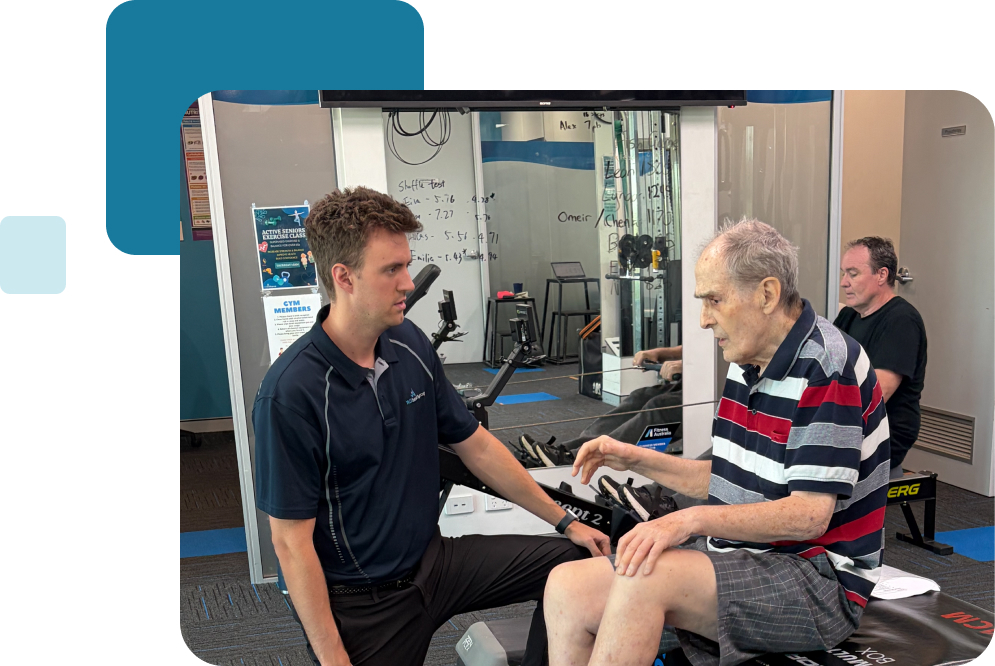
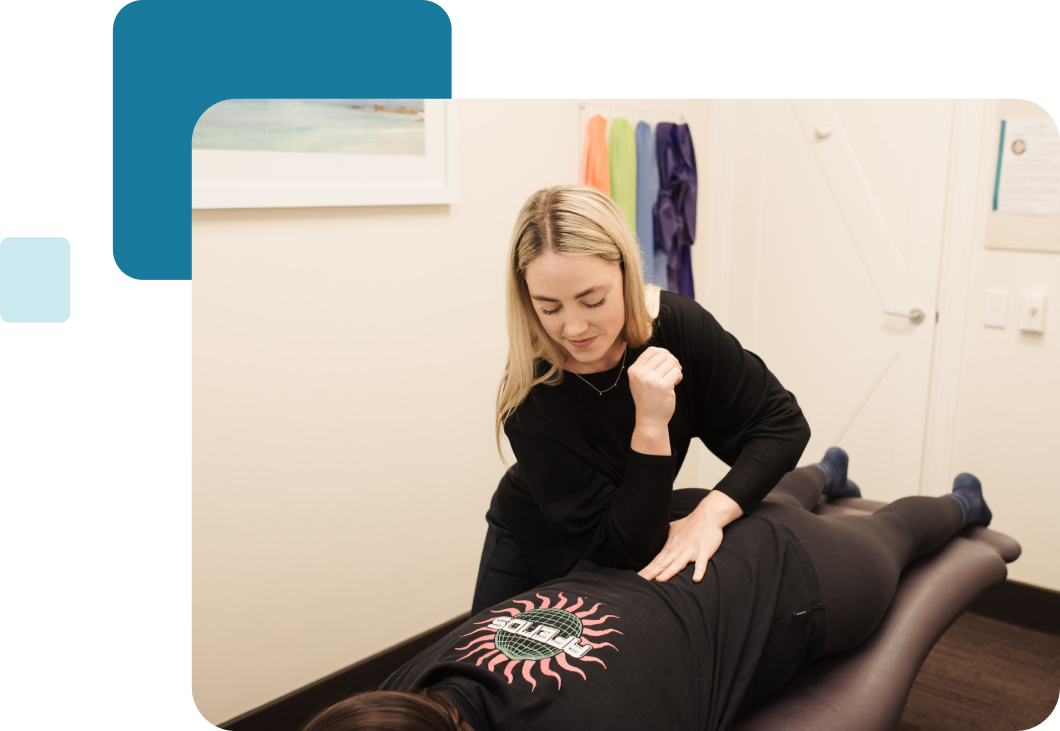
Physiotherapy can play a role in supporting movement, flexibility, and general conditioning during or after cancer treatment. A physiotherapist may assist by providing:

  • Guidance on gentle mobility and stretching exercises

  • Strategies to support posture and movement awareness

  • Education you on effective ways to stay active

  • Advice on pacing and positioning for daily activities

Each session is designed to align with your comfort level, medical history, and treatment plan. Your physiotherapist will adapt the approach as your needs change over time.

exercise-thumb
Exercise Physiology

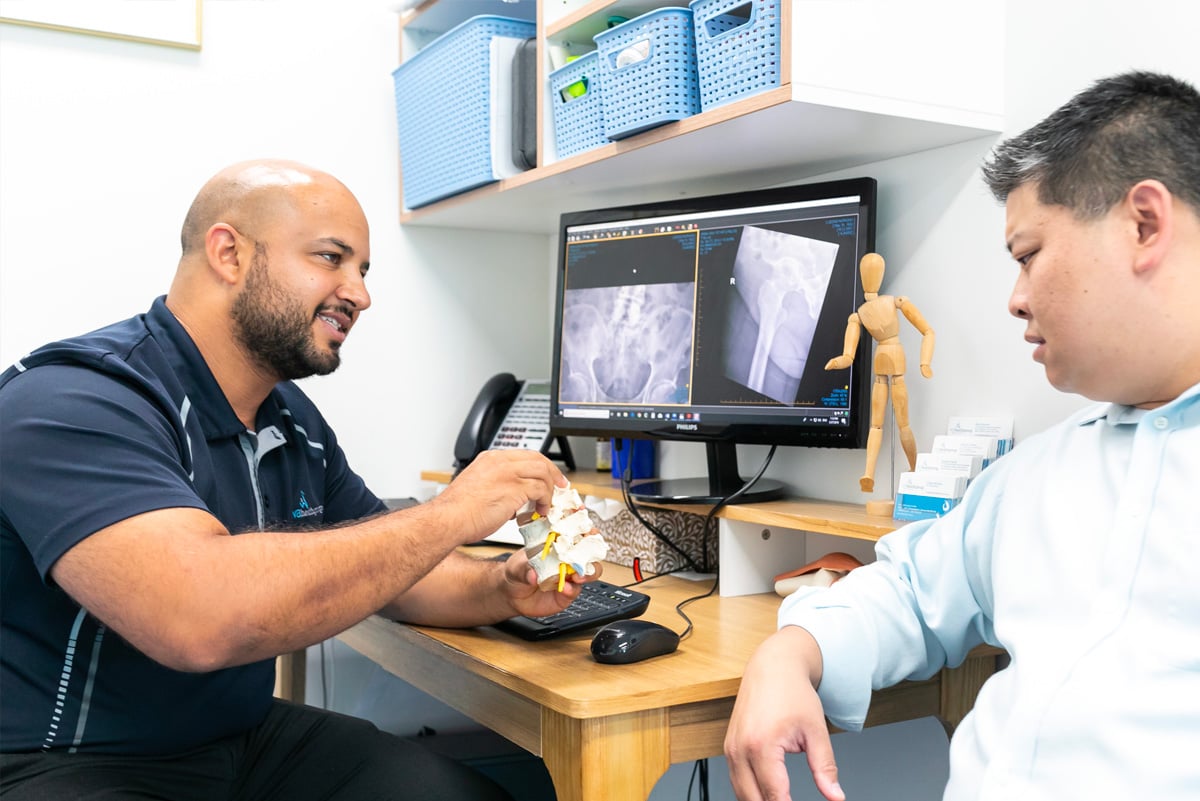
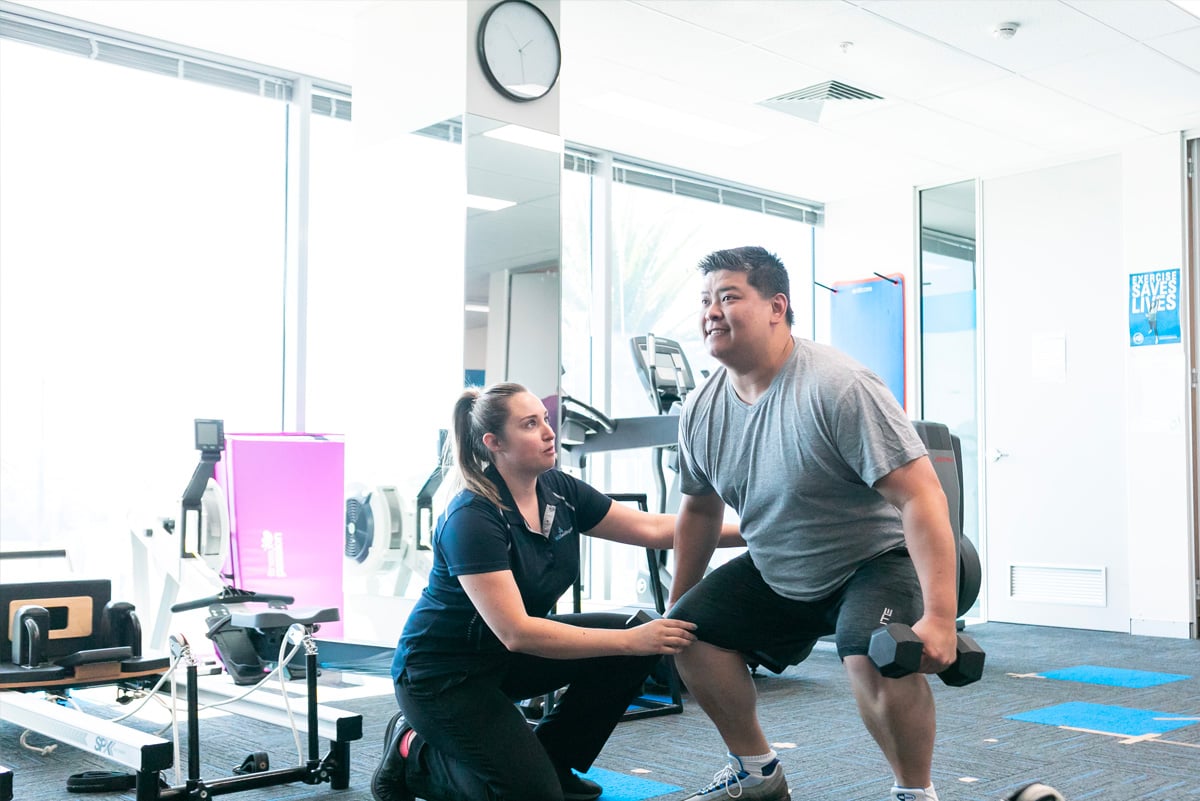
Exercise physiology involves structured and supervised exercise programs designed to support physical activity during or after cancer treatment. An Exercise Physiologist may assist with:

  • Developing an individualised activity plan appropriate to your treatment stage

  • Supporting general strength and endurance within your current capacity

  • Providing education on exercising well throughout recovery

All programs are informed by current evidence and tailored to your comfort, energy levels, and healthcare plan.

Banner Womens Health Care
Occupational Therapy

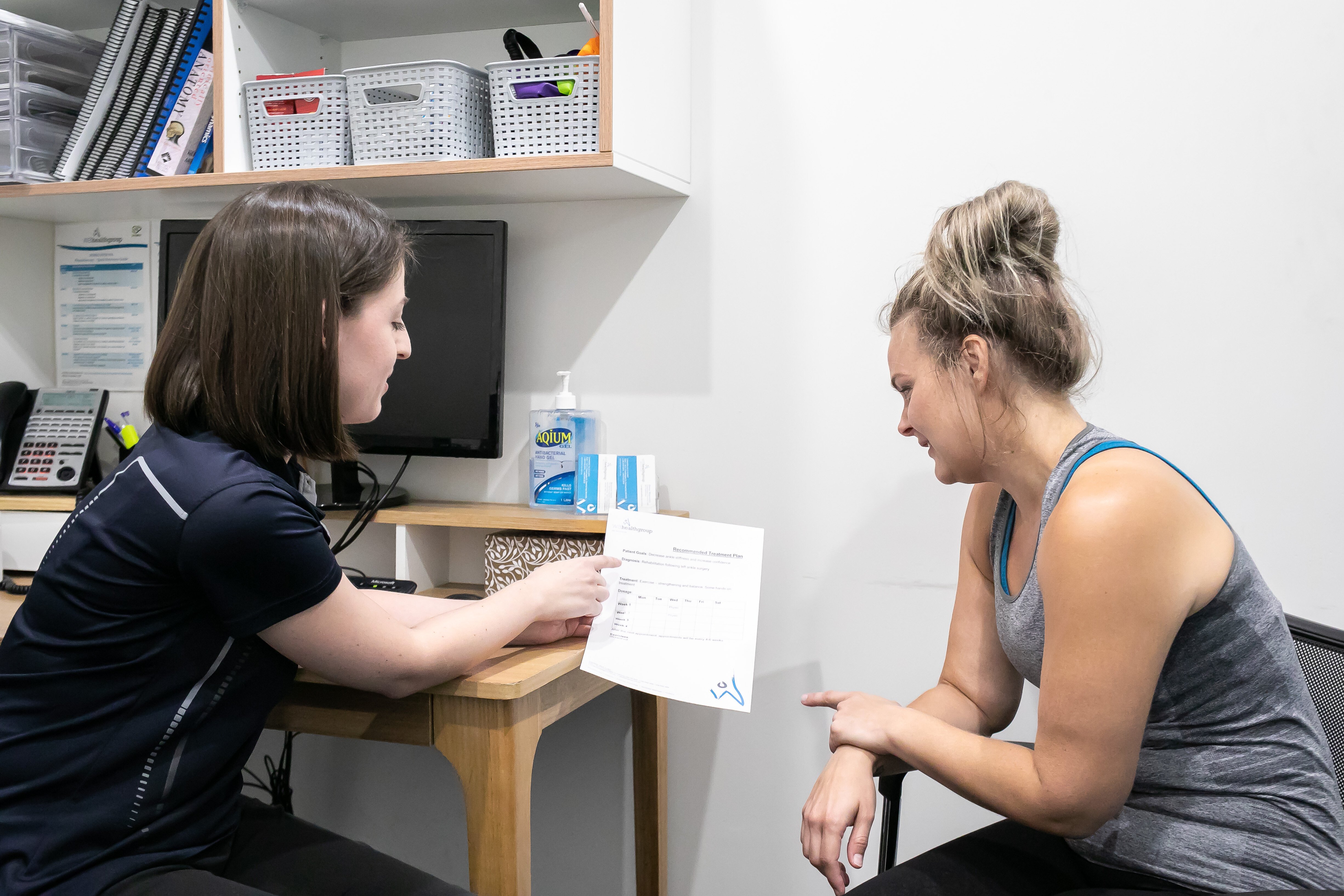
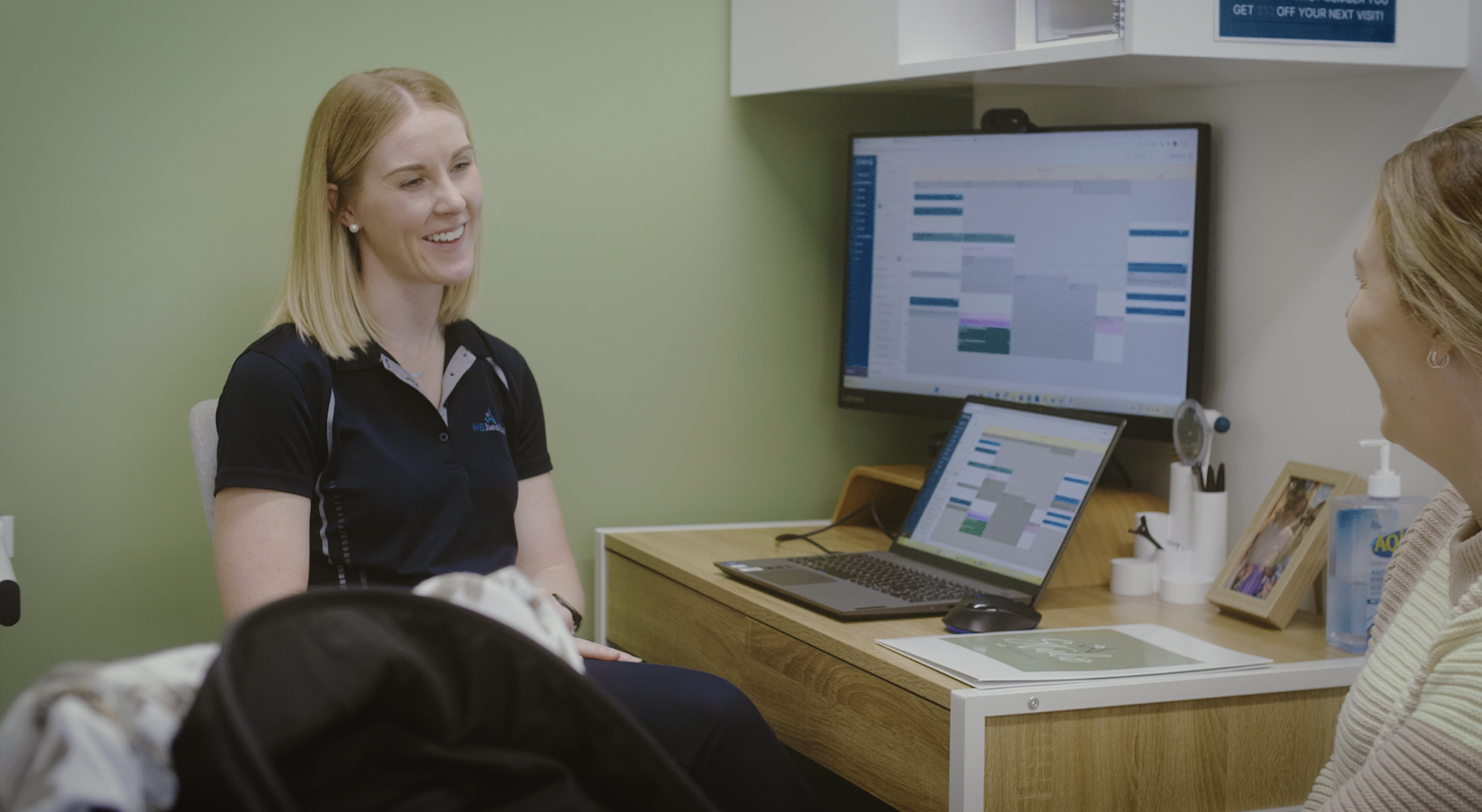
Occupational Therapy supports participation in everyday activities that are meaningful to you. An Occupational Therapist may assist with:

  • Guidance on managing fatigue and energy throughout the day

  • Strategies for returning to regular routines, including home or work tasks

  • Advice on modifying activities or environments to support comfort and safety

The approach is centred on promoting independence and wellbeing within your current abilities and circumstances.

Cancer survivor at WA Health Group

Who Can Benefit from Our Cancer Support Services?

These services may be suitable for people who are:

  • Undergoing or recovering from cancer treatment

  • Experiencing fatigue, stiffness, or reduced activity tolerance

  • Wanting to maintain safe movement and participation in daily tasks

If you are unsure which service is right for you, our team can help you decide what may best support your situation.

What to Expect at Your Appointment?

  1. Initial discussion – Your clinician will review your medical background, current treatment, and personal goals.

  2. Gentle assessment – Movement, comfort, and daily function are considered to guide appropriate care.

  3. Collaborative plan – You’ll receive practical strategies and activity guidance suitable for your condition and energy level.

  4. Ongoing review – Your plan can be adjusted as your needs and recovery progress.

You are welcome to bring a family member, support person, or caregiver to your appointment.

Cat Occupational Therapy 6

We are a call away!

Whether you want to book an appointment or want help finding the right service, give your local clinic a call. Our team is here to guide you every step of the way.
Apex Physiotherapy, Bicton

99/103 Harris St, Bicton WA 6157, Australia


Burswood Health Professionals, Burswood

21 Harvey St, Burswood WA 6100, Australia


WA Health Group, Murdoch

8/170 Murdoch Dr, Murdoch WA 6150, Australia


WA Health Group, Canning Vale

Suite 7 Level 1/2 Queensgate Dr, Canning Vale WA 6155, Australia


Peak Pilates, Bicton

103 Harris St, Bicton WA 6157, Australia


Frequently Asked Questions on Cancer Support and Exercise

Do I need approval from my oncologist or GP?

You don’t always need formal approval, but it’s recommended that your allied health clinician and oncology team communicate with each other (with your consent). This helps ensure that all care is consistent and appropriate to your medical plan.

What type of exercise is suitable during cancer treatment?

Exercise choices depend on your energy levels, treatment phase, and overall health. Some people benefit from gentle stretching or walking, while others may do light resistance or balance work. Your Exercise Physiologist will tailor activities to what feels comfortable and achievable for you.

Can I still attend sessions if I’m feeling tired or unwell?

Fatigue is common during treatment, and sessions can be adapted accordingly. It’s best to inform your clinician before the appointment so they can modify the plan or reschedule if rest is more appropriate that day.

How do I know which service to start with?

If you’re unsure, our reception or clinical team can help guide you. Physiotherapy, exercise physiology, and occupational therapy often overlap in focus, and your initial clinician can refer internally if another service is better suited.

Will private health or care plans cover these services?

Many private health funds and some care programs provide rebates for physiotherapy, exercise physiology, and occupational therapy. Our team can help you check your eligibility or provide item codes for your insurer.

Can I bring someone with me to appointments?

Yes. You are welcome to bring a family member, friend, or caregiver for support during your session.

How often should I attend sessions?

Frequency varies depending on your needs, treatment stage, and personal goals. Your clinician will discuss a plan that fits comfortably with your schedule and energy levels.

What if I’m not currently receiving cancer treatment but still have side effects?

Allied health support can also be helpful after treatment finishes. Physiotherapy, exercise physiology, or occupational therapy can provide guidance for gradual return to activity and ongoing self-management strategies.

wa-bottom

Your One-Stop Solution For Holistic Healthcare In West Australia